Best robot vacuum for pet hair 2026, picks and comparison
Our comparison selects and analyses the best models of robot vacuum cleaners for pet hair, with criteria to narrow down your options and a comprehensive buying guide to help you choose confidently.
Take the 10-second quiz4 questions about the 7 models on this shortlist
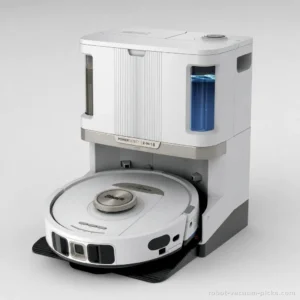
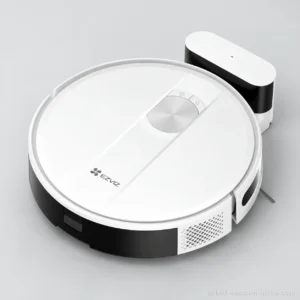
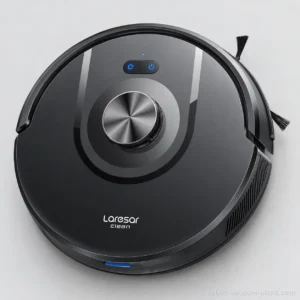
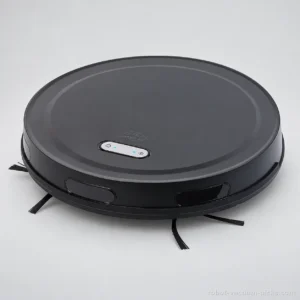
Prices recorded from retailers are for guidance: they may have changed since, and the current price is the one shown by the retailer. No price is shown for models sold only on Amazon. Amounts converted from reference prices in euros using an exchange rate from a specified date.
Our selection criteria
- 7 selected models because they have the feature “For pet hair” based on data published by manufacturers and retailers.
- View methodology →
- No brand pays to appear in this selection or to rank higher.
Why is a standard robot vacuum cleaner not enough for homes with pets?
Why conventional robot vacuums struggle with pet hair
A standard robot vacuum is designed for fine dust, crumbs and light debris. Pet hair is a different challenge. Long, fine and often electrically charged, it can wrap around the main brush, clog filters within a few cleaning cycles and quickly fill a small dustbin. This can lead to gradually reduced suction, a motor working harder and daily maintenance when your Labrador starts shedding.
Models designed as a robot vacuum for pet hair address these challenges with brushes designed to direct hair into the dustbin rather than let it wrap around them, enhanced filtration to capture dander and larger dustbins. These differences can affect cleaning and maintenance over the first few weeks.
What your pet really puts your robot vacuum through
Beyond hair, a home with pets places heavy demands on a robot vacuum. Frequent cleaning accelerates wear on consumable parts, including side brushes, filters and batteries. Microscopic dander builds up in the filter and, if the filter is unsuitable, can be blown back into the room instead of being trapped. Odours can develop in the dustbin, making regular cleaning necessary to keep them from spreading during each cleaning cycle.
The surroundings add further challenges, including toys scattered across the floor, a displaced food bowl and a pet blanket left lying around. Navigation and mapping matter in this setting, where obstacles can leave a robot blocked or stuck. A reliable model becomes a practical necessity.
Different coats call for different robot vacuums
The length and texture of your pet's coat largely determine the type of robot vacuum you need.
- Short hair and abundant dander (Rex cat, Bulldog): hair volume remains limited, but fine dander makes HEPA filtration a priority, particularly where allergies are a concern.
- A dense undercoat during shedding season (Labrador, German Shepherd, Husky): substantial volumes in spring and autumn. A large dustbin and an automatic emptying station take priority.
- Long hair that forms mats (Golden Retriever, Maine Coon, Angora): an anti-tangle rubber brush becomes a priority. A conventional nylon brush may need cleaning after each session.
A robot vacuum for dog hair from a dense undercoat will have different priorities from a model intended for a flat with 2 short-haired cats. Your pet's profile is the first filter to apply before even looking at the specifications.
How your pet's behaviour shapes your choice
An anxious or older dog may find the robot's noise very disturbing. Models with a quiet mode allow a gradual introduction that can help limit unnecessary stress. A curious cat that chases the robot while it runs makes reliable obstacle detection an important consideration. If your pet regularly moves its belongings, virtual no-go zones become a feature worth considering.
These 4 factors, coat type, shedding volume, pet behaviour and time available for maintenance, guided our selection. The models below were chosen to suit the most common situations, from a studio flat with 1 shedding cat to a house with 2 large dogs with dense undercoats.
How to choose the right robot vacuum cleaner for pets
Choosing a robot vacuum for pets means looking beyond specifications. Pet hair, dander and your companions' habits create specific challenges that standard criteria do not cover. Here are the 6 key points to consider before buying.
Actual suction performance cannot be judged by pascals alone
Manufacturers measure Pa with no load, under ideal conditions. What really matters is sustained suction in automatic mode, the robot's ability to adjust suction to the floor type (wood or carpet), and automatic dirt detection. A robot that switches to maximum power when it encounters an area covered in hair will be more effective than a model with a higher advertised Pa rating but no adaptive suction control.
Brush type determines long-term performance
A conventional nylon brush acts like a comb: it collects hair, but the strands wrap around the shaft, causing a gradual loss of suction. Maintenance is needed every 2 to 3 cleaning sessions, more often with a thick-coated pet.
A grooved rubber brush directs hair towards the bin without winding it around the shaft. For a robot vacuum for dog hair from a thick undercoat or hair from a long-haired cat, this is the brush type to choose for the long term. Maintenance is much less frequent, and suction loss is avoided.
HEPA filtration is essential if anyone has allergies
A robot that picks up dander but releases some of it back into the air through an inadequate filter makes the problem worse rather than solving it. The difference between a standard foam filter and a HEPA H13 filter is fundamental: the former traps coarse debris, while the latter captures the fine particles responsible for allergic reactions (dander and animal skin particles). Without HEPA filtration, the surrounding air remains contaminated throughout the vacuuming cycle.
Match bin capacity to the actual amount of hair shed
A 400 ml bin with 2 cats during shedding season fills up in 1 to 2 cleaning cycles. Daily emptying, or even emptying twice daily, therefore becomes inevitable. An automatic emptying station makes a major difference: the robot empties itself after each clean, and the station draws the hair into a collection bag that needs replacing every few weeks. Compared with a robot vacuum without a station, the time between manual emptying can increase by a factor of 5 to 10. Weigh this against your availability and the number of pets in your home.
Consider noise levels to avoid stressing your pets
Dogs and cats can hear frequencies far higher than we can. A noisy robot can trigger stress, barking or repeated attempts to flee, making cleaning sessions difficult to schedule. Aim for a noise level below 65 dB in standard mode, and check whether a quiet mode is available to help your pet get used to it gradually.
LiDAR mapping helps define sensitive areas
A LiDAR robot vacuum maps your home accurately regardless of ambient light, whereas camera-only navigation can lose its bearings in the dark (a hallway at night, a windowless room). Accurate mapping lets you set virtual no-go zones: to block access to food bowls, litter trays or pet beds.
| Criterion | What to look for | Common mistake |
|---|---|---|
| Suction power | Automatic adjustment based on floor type and detected dirt | Relying solely on the manufacturer's Pa figures measured with no load |
| Brush type | Ridged rubber for long hair or dense undercoats | Choosing a nylon brush without checking your pet's coat type |
| Filtration | A HEPA H13 filter if anyone in the household has allergies | Choosing a foam filter that is inadequate for pet dander |
| Dustbin capacity | A large dustbin or an automatic emptying station | Underestimating how often emptying is needed during shedding season |
| Noise level | Below 65 dB, with a quiet mode available | Ignoring how noise affects your pet's behaviour |
| Navigation | LiDAR with virtual no-go zone management | Settling for random navigation or a camera alone |
Mistakes to avoid
- Buying based solely on the Pa rating: without automatic adjustment, a high advertised suction rating does not guarantee better performance on pet hair.
- Overlooking brush suitability for your pet's coat: with a long-haired pet, a nylon brush needs very frequent maintenance to prevent a gradual loss of suction.
- Ignoring dustbin capacity: a bin that is too small and emptied too infrequently can eventually clog the filters and reduce the robot's overall performance.
- Overlooking HEPA filtration: without this filter, dander and fine allergens can be released back into the air during vacuuming.
- Underestimating noise: scheduling the robot to run while your pet is away is often the best option for animals that are particularly sensitive to sound.
- Choosing a model without no-go zones: without this feature, the robot may enter areas set aside for your pet.
Key takeaways
For a household with pets, an anti-tangle brush, HEPA filtration, bin capacity and LiDAR mapping are the 4 pillars of an effective selection. Noise levels and the automatic emptying station influence everyday comfort for both pets and their owners. An analysis of the specifications of models on the market and user feedback points to a clear conclusion: a robot suited to handling pet hair requires less upkeep than a general-purpose model that clogs quickly and loses efficiency between 2 maintenance sessions.
Your questions about robot vacuum cleaners for pets
Which robot vacuum should you choose if your cat sheds heavily?
Look for an anti-tangle rubber brush: with a medium-haired or long-haired cat, conventional nylon brushes can collect hair within a few cleaning runs and quickly become less effective. A HEPA filter helps capture fine dander and limit its release back into the air. Finally, choose a large dustbin or an automatic emptying station if your cat is shedding heavily.
Can a robot vacuum frighten or stress my dog or cat?
Yes, noise is the most common source of stress. Dogs and cats hear frequencies that we cannot, and a noisy robot can trigger anxiety or repeated attempts to escape. Look for a model with a noise level below 65 dB, with a quiet mode to help your pet gradually get used to it. Obstacle detection may also help limit contact between the robot and a curious cat.
How many times a week should you schedule your robot vacuum if you have pets?
With 1 or 2 pets during shedding season, 1 cleaning run per day is the recommended minimum to prevent hair from building up on floors. Outside shedding season, 4 to 5 runs per week are generally enough. Short, frequent runs are preferable to occasional intensive sessions: the dustbin stays manageable and the brushes accumulate less dirt between cleanings.
How do you clean robot vacuum brushes clogged with pet hair?
Remove the brush from its housing, cut through the wrapped hair with the supplied cutting tool or round-tipped scissors, then remove it by hand. With a nylon brush, clean it every 2 to 3 cleaning sessions. With a rubber brush, maintenance is generally less frequent: hair is more easily directed towards the dustbin instead of wrapping around the shaft. This is a key advantage for long hair.
Is a robot vacuum really enough to remove pet allergens?
No, not on its own. The robot collects hair and dander from the floor, but allergens also spread onto fabrics, furniture and into the air. It can help reduce the amount of allergens on floors, especially when equipped with a HEPA filter, but should be combined with regular cleaning of pet cushions and bedding and, if necessary, an air purifier.
Is a HEPA filter essential for pet owners?
For people with allergies to pet dander or hair, yes, it is an essential consideration. A standard foam filter traps larger debris but may let fine particles through, allowing allergens to circulate back into the air during vacuuming. A HEPA H13 filter can capture fine particles measuring 0.3 micron and help limit their release. For households without allergies, it remains a useful extra.
How much should you budget for a robot vacuum that handles pet hair effectively?
The budget depends on 2 key features. A tangle-resistant rubber brush and a HEPA filter become essential in the mid-range segment. Further up the range, a lidar robot vacuum provides precise home mapping and often comes with an automatic emptying station, allowing several weeks of autonomous operation. These observations reflect market trends and do not refer to any specific model.
Do you need a robot vacuum with an automatic emptying station if you have pets?
With 2 or more pets during shedding season, yes, an automatic emptying station is highly recommended. A robot vacuum without a station may need its dustbin emptied once or twice a day: with a 400 ml dustbin and 2 shedding cats, this is a real chore. The station collects debris after each cleaning cycle and allows several weeks without manual intervention.