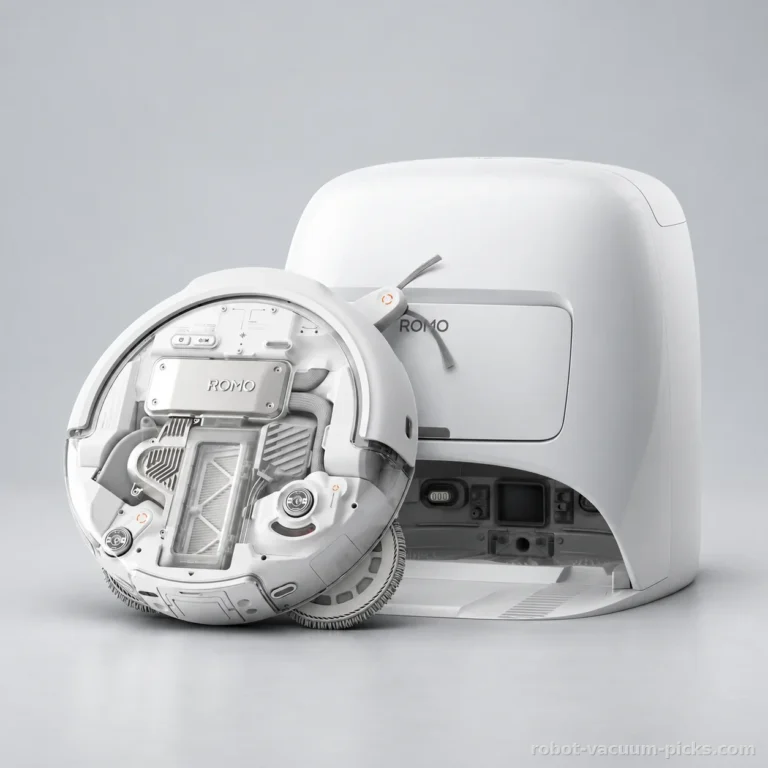
Best robot vacuum and mop 2026, picks and comparison
This guide compares robot vacuum and mop cleaners on the market in 2026, assessed against 6 key criteria, with an annotated selection and a buying guide to help you choose.
Take the 10-second quiz4 questions about the 8 models on this shortlist
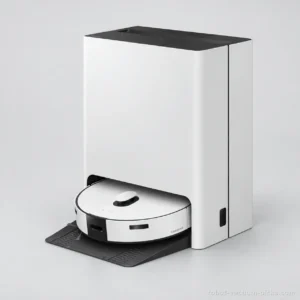
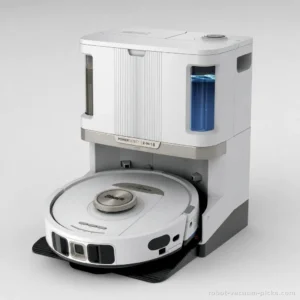
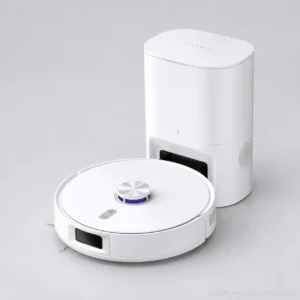
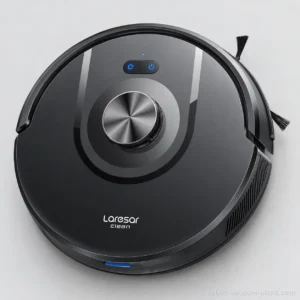
Prices recorded from retailers are for guidance: they may have changed since, and the current price is the one shown by the retailer. No price is shown for models sold only on Amazon. Amounts converted from reference prices in euros using an exchange rate from a specified date.
Our selection criteria
- 8 selected models because they have the feature “And mop” based on data published by manufacturers and retailers.
- View methodology →
- No brand pays to appear in this selection or to rank higher.
Why choose a robot vacuum and mop cleaner?
What the mopping function actually does and what it cannot replace
A robot vacuum and mop is not a motorised mop. That is the first misconception to clear up. The built-in mopping function provides light daily maintenance for hard floors by removing footprints, small dried stains and fine dust stuck to tiles. It does not provide a deep clean. Dried sauce stains or ingrained limescale will resist most robotic mops that apply too little pressure to the floor.
This type of appliance sits between a conventional robot vacuum and a manual mop: it automates the routine cleaning that gets put off every evening. Occasional intensive cleaning still requires manual mopping. Setting clear expectations helps avoid disappointment.
Which households benefit most from a 2-in-1 robot
A robot vacuum and mop is most useful in specific settings:
- Mostly hard floors such as tiles, parquet, polished concrete and vinyl. A standard robot vacuum for tiled floors vacuums effectively but does nothing about sticky dirt. A 2-in-1 addresses that specific gap.
- Families with children or pets dealing with crumbs, paw prints and fine pet hair: combining vacuuming and mopping reduces the number of cleaning passes needed without extra effort.
- Homes that need frequent cleaning such as those with busy open-plan kitchens, high-traffic hallways or small flats where frequency matters more than deep cleaning.
However, this type of appliance is less suitable for homes with mostly carpeted floors or very uneven surfaces because the mop quickly becomes dirty and the mopping function loses its purpose. In these cases, a robot vacuum without a station will be more than sufficient and cost less.
How simultaneous and sequential cleaning affect the result
Robot vacuums and mops do not all work in the same way. There are 2 main modes on the market:
- Simultaneous vacuuming and mopping means the robot vacuums and dampens the floor at the same time, in a single pass. This clearly saves time, but the mop drags across areas where debris has just been picked up, with a risk of leaving some dirt behind.
- Sequential vacuuming then mopping means the robot first vacuums the entire area, then goes over it again in mopping mode. This gives a cleaner result but takes longer. Some high-end models separate the 2 phases into 2 distinct passes over the same floor plan.
For a household with children or pets, sequential mode is generally more effective. For quick daily maintenance, simultaneous mode is more than sufficient.
How mopping technology varies across the range
The term "robot vacuum and mop" covers very different capabilities depending on market positioning. Analysis of the available specifications reveals 4 distinct levels of mopping:
- Fixed mop pad: a damp cloth held beneath the appliance. Almost no pressure, with effectiveness limited to very lightly soiled floors. Mainly found in entry-level models.
- Vibrating mop: the pad oscillates at high frequency to scrub the floor. Significantly more effective than a fixed pad, and compatible with most parquet and laminate floors.
- Rotating mop pads: 2 discs rotating in opposite directions apply actual pressure to the floor. The result approaches that of a robot vacuum with active floor scrubbing. This is the dominant technology in the mid-range and high-end segments.
- Rotating mop pads with dock self-cleaning: the robot returns to wash, wring out and dry its mop pads between cycles. Performance remains consistent throughout cleaning, without manual intervention.
The pressure applied to the floor is the key variable that specifications do not always disclose. Aggregated feedback consistently points to the same conclusion: below vibrating mop technology, the mopping function remains largely token.
These 4 factors, actual use, household profile, mopping mode and mop technology, guide our selection. They will help you assess each selected model from a technical perspective rather than a marketing perspective.
How to choose your robot vacuum and mop cleaner
Choosing a robot vacuum and mop is different from choosing a conventional vacuum cleaner. Mopping adds crucial variables that neither suction power nor brand alone can account for. Here are the 6 criteria that help you decide.
What suction power do your floors need
A robot vacuum's suction power is measured in pascals (Pa), not watts. Pascals measure actual suction pressure; watts measure only electricity consumption. On mixed flooring with deep grout lines, grooved wooden floors or thin rugs, models exceeding 4 000 Pa deliver noticeably better results.
For a robot vacuum on tiled floors with no texture, moderate suction power is enough. On mixed flooring, the combination of suction power and mapping determines the result, rather than suction power alone.
Which mopping system suits your needs
This is the criterion that most clearly distinguishes the different ranges. 4 technologies are available:
- Mop pad fixed in place: a damp pad slides passively beneath the machine. Useful only for maintaining an already clean floor.
- Vibrating mop pad: the pad oscillates rapidly. Better results on smooth tiles, with clear limitations on deep grout lines.
- Rotating mop pads: 2 rotating discs apply active pressure to the floor. Compatibility with oiled wooden floors must be checked.
- Self-cleaning rotating mop pads: the discs are automatically rinsed and dried at the station between passes. Suitable for daily use without manual maintenance.
No system, even the most advanced, replaces thorough manual mopping on a heavily soiled floor. What the robot provides is regular, automated maintenance.
Navigation and mapping to avoid unpleasant surprises
A LiDAR robot vacuum maps the space with a laser beam and accurately stores the floor plan. It handles no-go zones, navigates around obstacles and resumes its cycle exactly where it stopped. Models with random navigation or basic infrared navigation cover the same spots repeatedly and miss entire areas.
For a space larger than 60 m², or a home with several cluttered rooms, LiDAR mapping is no luxury. It also lets you create vacuum-only zones, which are essential for protecting rugs from moisture.
Battery life and base station features for whole-home coverage
The battery life stated by the manufacturer applies to the lowest suction setting. At the highest setting or when vacuuming and mopping simultaneously, actual battery life is noticeably shorter. Over a large area, a robot that stops to recharge without automatically resuming its cycle loses much of its usefulness.
A station that automatically empties the dustbin, washes the mop pads and dries them makes a substantial difference. A robot vacuum without an auto-empty station remains a practical option for a small space, but requires manual maintenance after every run as the floor area increases.
Often overlooked criteria that make a difference
- Clearance height: check the clearance required under your furniture. Some robots are too tall to fit under low sofas or beds and miss entire areas.
- Water tank capacity: a tank that is too small requires frequent refilling over large areas, limiting how much floor the robot can actually mop in a single run.
- Noise level: if the robot runs at night or while you work from home, compare the stated decibels in normal mode, rather than quiet mode.
- Mobile app quality: customising cleaning runs and managing zones depend directly on the app. User reviews in app stores are a reliable indicator of its maturity.
Price ranges by feature level
The market falls into 3 distinct tiers:
- Entry-level: basic navigation, a fixed or gently vibrating mop pad, and no auto-empty station. Suitable for a small space with uniform flooring.
- Mid-range: LiDAR mapping, a vibrating or rotating mop pad, and a basic charging station. A good balance for 40 to 80 m² with mixed flooring.
- High-end: high-pressure rotating mop pads, a station with automatic mop washing and drying, intelligent carpet handling, and multi-level mapping. Recommended for large areas or households with pets and children.
Each tier brings practical benefits through less manual maintenance, better mopping and more reliable navigation in cluttered spaces.
| Criterion | What to look for | Common mistake |
|---|---|---|
| Suction power | Compare Pa based on floor type, rather than watts | Choosing based on power consumption in watts without checking Pa |
| Mopping technology | Rotating or self-cleaning mop pads for effective cleaning | Settling for a fixed mop pad and assuming it actually cleans |
| Mapping | LiDAR for areas larger than 60 m² or cluttered rooms | Choosing random navigation for a large area |
| Real-world battery life | Assessing battery life at maximum power, not in eco mode | Relying on the manufacturer's stated battery life without considering actual usage mode |
| Base station | Automatic emptying and mop washing for autonomous operation | Underestimating the manual maintenance required without a fully equipped station |
| Floor compatibility | Checking the manufacturer's recommendations for oiled wooden floors and carpet | Enabling mopping on every floor without checking first |
Mistakes to avoid
- Relying on watts rather than pascals: power consumption does not predict suction performance. Only Pa allow direct comparisons between machines.
- Overlooking compatibility with your floors: a mopping system unsuitable for oiled wooden floors can damage them over time. Check the manufacturer's recommendations before buying.
- Underestimating maintenance without a self-washing station: without a station, mop pads must be rinsed and dried manually after each cycle. This chore can quickly discourage regular use.
- Comparing brands rather than technologies: Roborock, Ecovacs and Dreame offer very different models within their own ranges. The analysis should focus on technical specifications, not the name.
- Forgetting clearance height: a robot that is too tall gets stuck under most low furniture and misses entire areas on every run.
- Expecting the robot to do more than it can: even the most capable machines provide automated routine maintenance, rather than deep cleaning heavily soiled floors.
Key takeaways
After analysing the specifications available in this segment, it is the mopping technology and the quality of the mapping that distinguish effective machines from the rest, far more than raw suction power. The base station makes a real difference beyond 60 m². For mixed flooring, automatic carpet handling is essential to avoid wetting areas that should stay dry. And whichever range you choose, regular mop pad maintenance remains necessary for satisfactory results over time.
Common questions before buying a robot mop
What is the difference between a standard robot vacuum and a robot vacuum and mop?
A standard robot vacuum only picks up dust and debris. A robot vacuum and mop adds a mopping function using a water tank and a pad attached underneath its chassis. It dampens the floor while vacuuming (simultaneous vacuuming) or just afterwards (sequential vacuuming), loosening light everyday dirt. It does not replace deep cleaning for ingrained stains or heavily soiled grout.
Can a robot vacuum and mop replace manual mopping?
No, not entirely. A robot vacuum and mop provides light daily cleaning: it removes dust and dampens the floor to loosen small traces of dirt. Stains, heavily soiled tile grout and hard-to-reach corners still require manual mopping. It is an effective addition that reduces the need for deep cleaning, rather than a complete replacement.
Are robot vacuum and mop cleaners suitable for oiled wood or laminate flooring?
Compatibility depends on the mopping system and adjustable water flow. Excessive moisture can cause oiled wood or laminate floorboards to warp. Models with a low water flow setting and vibrating or rotating mop pads with controlled pressure are more suitable. Always check your flooring manufacturer's recommendations before the first cleaning cycle, and avoid fixed mop pads without water flow control.
How much suction power does a robot vacuum and mop need to clean effectively?
Pascals (Pa) measure effective suction pressure: this is the figure to prioritise, rather than watts. For hard floors, models on the market span a wide range depending on their tier. A figure quoted for boost mode does not reflect suction power during normal operation, which is often lower. For homes with pets or thin rugs, higher-performing models offer useful extra suction for stubborn pet hair.
What is a self-cleaning station, and do you really need one?
A self-cleaning station is a base that, in addition to recharging the battery, automatically washes and dries the mop pads after each cycle. Some models also empty the dustbin automatically. This is particularly useful in larger homes or for minimising daily maintenance. For a smaller area or occasional use, a standard charging dock is sufficient.
Can a robot vacuum and mop cross carpets without getting them wet?
Most recent models automatically detect carpets and lift the mop pad to cross them without dampening them. This feature is not available on every model: check that the specifications explicitly mention automatic carpet detection or mop lifting. Without this feature, the robot's mobile app generally lets you set no-go zones to protect your carpets.
How long does a robot vacuum and mop battery last on a single charge?
Battery life varies depending on the suction setting and your home's layout. The area covered per cycle depends directly on the selected power level: higher power means shorter battery life. The automatic recharge and resume function compensates for shorter battery life: after recharging at the base station, the robot resumes exactly where it stopped.
How should you maintain a robot mop's pads, and how often?
Mop pads should be rinsed after every cycle: a dirty pad spreads dirt back over the floor on the next pass. Without a self-cleaning station, manual rinsing with clean water after each use is essential. Washable fabric pads can generally be machine-washed at 40 °C. Regularly replacing worn mop pads is essential to maintain cleaning performance and prevent streaks on smooth floors.